Published on 4 August 2026 · 3 min read
Valparaíso leads Chile's workplace accident rate: what it means for your company
For the second year running the Valparaíso Region has the highest work accident rate in Chile. The SUSESO figures and what small companies can do.
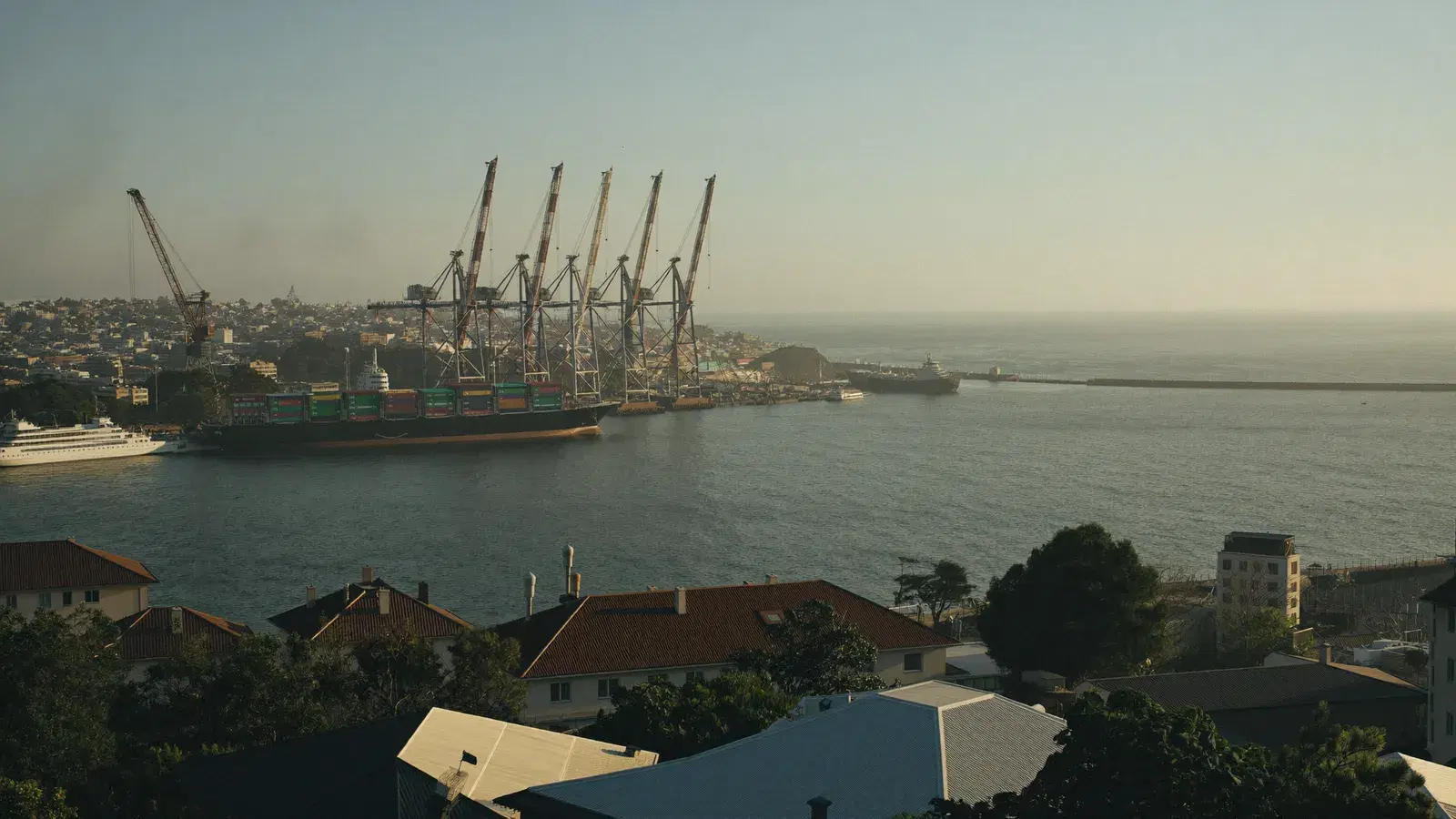
The regional fact sheets of the Law 16.744 insurance published by Chile's Superintendency of Social Security in August 2026 bring uncomfortable news for the Valparaíso Region: for the second year running it is the region with the highest workplace accident rate in Chile, with 4.5 accidents per 100 employment relationships during 2025. Aysén follows with 4.1, while Antofagasta and Tarapacá, mining regions with mature preventive management, score 2.2 and 2.3.
The figures
- Around 25,000 accidents in the region during 2025.
- 25 deaths, most of them in commuting and road incidents.
- 27.9% of accidents were commuting accidents, the second-highest share in the country after the Metropolitan Region.
- Nationally, men account for 61% of work accidents and women for 53% of commuting accidents.
- Mental-health occupational diseases represent 77.8% of all recognised occupational diseases.
Why this region
There is no single cause, but the productive mix helps explain it. Valparaíso combines ports and logistics, expanding construction and real estate, seasonal agribusiness, mining in Los Andes, industry in Quintero and Concón, and a services and tourism sector with high turnover. Many of those activities take place in small companies and contractors operating without a safety professional, with documents inherited from DS 40 and sporadic training. Add the geography: hills, cliff roads and long commutes that explain the high share of commuting accidents.
What it means for a small company in the region
Three practical consequences:
- More inspections. The Labour Directorate and the health authority prioritise their inspection programmes in sectors and regions with the worst indicators. Construction, logistics, manufacturing and retail in the region are on the list.
- A higher premium. The biennial DS 67 assessment reviews each company's accident record. A company with accidents and no management system sees its additional premium rise; one with documented management can lower it.
- Liability after a serious accident. After a serious or fatal accident, the authority's investigation and any claim under article 184 of the Labour Code start from one question: what evidence of preventive management existed before the accident?
What companies can do
The good news is that regions with better rates do not have less intrinsic risk, but more management. For a small company in Valparaíso the path is well known:
- A real IPER matrix, surveyed on site, including commuting and driving risks.
- A preventive programme with short, frequent talks, especially for drivers and field staff.
- Investigation of every accident and dangerous incident with the Causal Tree, so it does not repeat.
- Monthly records and statistics, which DS 44 makes mandatory anyway.
- A safety professional, in-house or external, who keeps the system alive.
At WYPREV we work in Valparaíso and Viña del Mar and serve the whole region in person. If your company had accidents in the last year or has never investigated one, start with accident investigation and the monthly advisory; if you are starting from scratch, with a free diagnosis.